top of page

Better Health Blog:
Backed by Science
Search
All Posts

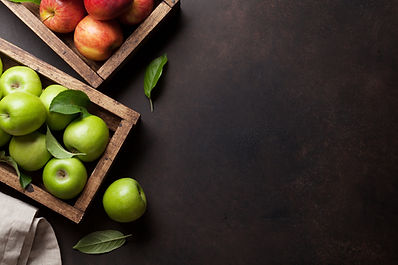
Kidney-Friendly Foods: 10 Evidence-Based Choices for CKD
When a patient is told they have chronic kidney disease, the first thing they usually hear from the internet is what to take away. Cut the salt. Cut the potassium. Cut the protein. Within a week, the refrigerator looks emptier and the question is not what to eat, it is whether anything is left. The newer science tells a different story. The kidney-friendly diet of 2026 is less about subtraction and more about a deliberate set of additions, anchored to one number most patients

Sean Hashmi, MD
May 115 min read
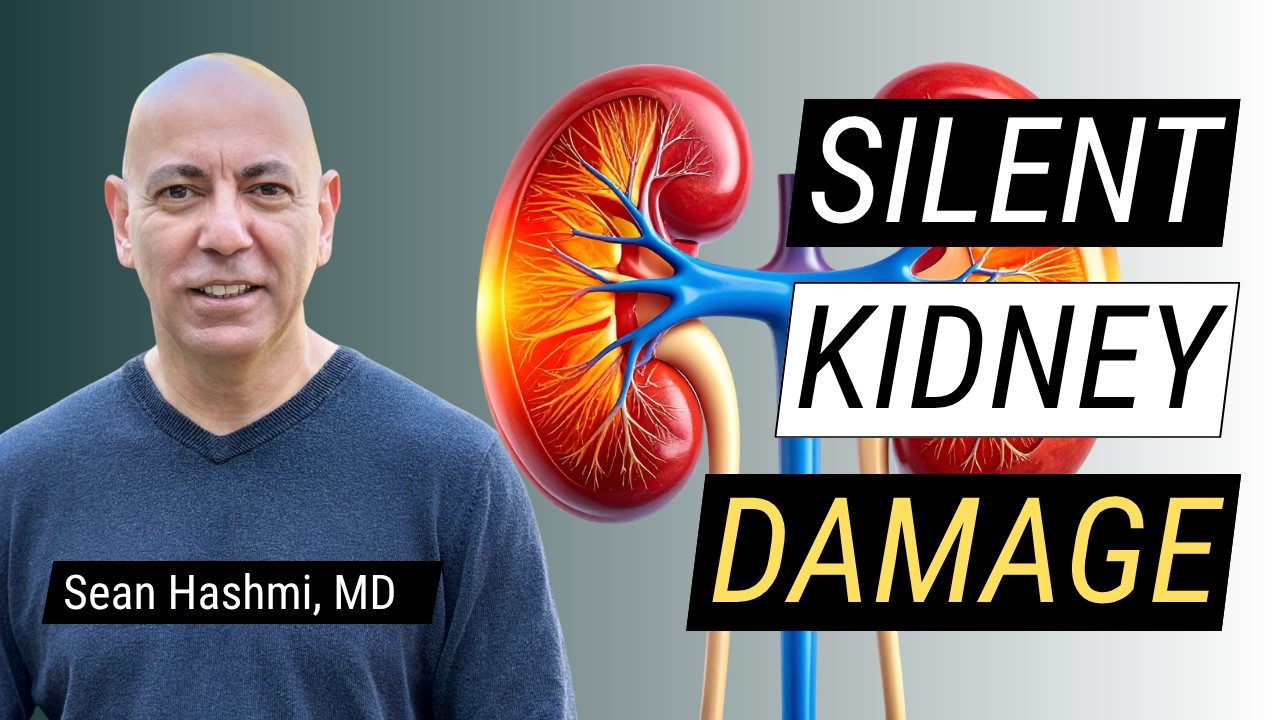
5 Silent Signs of Kidney Damage You Should Not Ignore
More than 1 in 7 US adults has chronic kidney disease, and roughly 9 in 10 don't know they have it (Centers for Disease Control and Prevention [CDC], 2023). The reason is simple and frustrating: the early signs of kidney damage are quiet. By the time most people feel something is off, kidney function has often been declining for years. The good news is that your body does send signals, and a small set of inexpensive lab tests can catch trouble early enough to actually change
Sean Hashmi, MD
May 55 min read

The 6 Proteins Ranked From Worst to Safest for Kidney Health: A Nephrologist's Guide
If you ate chicken this week, there is a real chance you accidentally ate a processed meat. I will explain exactly how that happens in a moment, but first I want to share the number that changed how I counsel my patients on protein. A landmark study published in the Journal of the American Society of Nephrology followed more than 63,000 adults for 15 years and found that the highest consumers of red meat had a 40% increased risk of complete kidney failure compared to those wh
Sean Hashmi, MD
May 36 min read

Kidney-Friendly Snacks for CKD: 7 Evidence-Based Swaps
If you have chronic kidney disease, snacking probably feels like a minefield. Lists of foods to avoid are everywhere, and by the time you finish reading them, you're afraid to eat anything between meals. But skipping snacks altogether may be doing more damage than the snack ever could. The key is knowing which kidney-friendly snacks actually protect your kidneys and which ones quietly make your labs worse. Key Takeaways Plant phosphorus absorbs at less than 40% in your gut, w
Sean Hashmi, MD
Apr 136 min read
The Cheapest Anti-Aging Supplement Most People Over 50 Skip
Your doctor calls after a routine blood test. Your creatinine is up. They tell you to stop the creatine. You panic, you stop it — and no one tells you the test was misread. This scenario plays out constantly in clinical practice, and it has caused thousands of people over 50 to abandon one of the most studied, most affordable supplements available for muscle preservation and brain health. The primary keyword here matters: creatine and kidney health are not the straightforward
Sean Hashmi, MD
Apr 36 min read

Dry Cleaning Chemical Linked to Liver and Kidney Damage: What You Need to Know About PCE
You might not think twice about picking up your shirts from the dry cleaner. But the chemical that makes traditional dry cleaning work, tetrachloroethylene (also called perchloroethylene or PCE), has been linked to serious organ damage that most people never see coming. A 2025 study published in Liver International analyzed data from more than 1,600 US adults and found that people with any measurable PCE in their blood were approximately three times more likely to have signi
Sean Hashmi, MD
Mar 184 min read


SGLT2 vs GLP-1 for Kidney Disease: What the Trial Data Actually Shows
If you have chronic kidney disease, or you love someone who does, you have probably heard about SGLT2 inhibitors and GLP-1 receptor agonists. These two drug classes are reshaping how we protect kidneys, and the clinical trial data behind them is striking. But which one should you ask about first? And what role does something as simple as sleep play in kidney protection? Key Takeaways SGLT2 inhibitors (like dapagliflozin) reduced kidney failure risk by 39% in the DAPA-CKD tria
Sean Hashmi, MD
Mar 126 min read

Should You Quit Coffee? What the Evidence Says
If you've ever wondered whether you should quit coffee, you're not alone. Coffee is one of the most widely consumed beverages in the world, and the research on its health effects can feel contradictory. The truth is that coffee can protect your heart, kidneys, and brain for many people, but for others it does more harm than good. The difference comes down to your genes, your medications, your health conditions, and even your bedtime. Key Takeaways Your CYP1A2 gene determines
Sean Hashmi, MD
Feb 256 min read

Coffee Creamers and Kidney Health: What Additives to Avoid
Are coffee creamers damaging your kidneys? Learn which additives to avoid and how to keep your coffee kidney-friendly. Evidence-based guide.
Sean Hashmi, MD
Feb 225 min read
Melatonin and Heart Failure: What New Research Reveals About Long-Term Use
A study of 130,000 people found long-term melatonin use linked to 90% higher heart failure risk. Learn what this means for you and how to use melatonin safely.
Sean Hashmi, MD
Feb 75 min read

Coffee and Depression: What Research Says About Risk Reduction
Most people think of coffee as a morning habit. Something to get through the first hour of the day. But a growing body of research suggests that your daily cup may be doing more for your brain than just sharpening your focus. Studies now link moderate coffee intake to a lower risk of depression, cognitive decline, and even neurodegenerative diseases like Parkinson's. The question isn't just whether coffee wakes you up. It's whether it might help protect your brain over decade
Sean Hashmi, MD
Feb 26 min read

Belly Fat and Kidney Health:The Hidden Connection
Belly fat and kidney health are connected in ways most people never consider. If you've been struggling with stubborn abdominal fat despite dieting and exercise, your kidneys may be part of the problem. As a nephrologist and obesity medicine specialist, I see this pattern regularly: patients doing everything "right" but unable to lose visceral fat because their kidneys are trapped in a cycle that keeps insulin elevated and their body locked in fat storage mode.
Sean Hashmi, MD
Dec 18, 20255 min read

Coffee and Diabetes: What the Research Actually Shows
Key Takeaways Each daily cup of coffee is linked to approximately 6% lower risk of developing type 2 diabetes, with 2-4 cups showing 20-30% lower risk compared to non-drinkers. Coffee protects the liver, with regular drinkers showing 20-30% lower risk of non-alcoholic fatty liver disease and reduced liver fibrosis. The benefits apply to both regular and decaffeinated coffee, but added sugars and syrups can completely negate these protective effects. Overview The Diabetes Conn
Sean Hashmi, MD
Dec 17, 20255 min read

Coffee and Chronic Kidney Disease: Evidence-Based Guide (2025)
Is coffee safe for your kidneys? New research on coffee and chronic kidney disease challenges what many people have been told for years. A growing body of evidence suggests that moderate coffee intake may actually protect kidney function — not harm it. As a board-certified nephrologist, I've watched the science evolve significantly since I first covered this topic four years ago. Several major studies have since emerged with larger data sets, genetic insights, and clearer pro
Sean Hashmi, MD
Dec 11, 20254 min read

Pig Kidney Transplants in 2025: What the Six-Month Milestone Means
For decades, the transplant community has asked a single question: can a pig kidney keep a human alive long enough to matter? In 2025, we finally got an answer. Multiple patients in the United States and China survived more than six months with gene-edited pig kidneys functioning inside them — crossing a threshold that changes how we think about xenotransplantation and the future of kidney failure treatment. Key Takeaways Multiple humans have now lived more than six months wi
Sean Hashmi, MD
Dec 9, 20254 min read

IgA Nephropathy Treatment: 5 Steps to Protect Your Kidneys
Board-certified nephrologist shares the exact 5-step action plan for IgA Nephropathy treatment based on KDIGO guidelines and clinical trials.
Sean Hashmi, MD
Dec 4, 20255 min read

IgA Nephropathy Diet: What to Eat to Protect Your Kidneys
The right IgA nephropathy diet can reduce your proteinuria by 30%—without changing a single medication. Yet most patients have never been told what to eat. Here's the same kidney-friendly eating strategy I give every patient in my practice. Key Takeaways Sodium restriction to less than 2 grams per day is the single most impactful dietary change for IgA nephropathy patients The kidney-friendly plate (50% non-starchy vegetables, 25% lean protein, 25% whole grains) simplifies me
Sean Hashmi, MD
Dec 4, 20254 min read

IgA Nephropathy Treatment: Complete Guide to Current Options
Learn about IgA nephropathy treatment options including SGLT2 inhibitors, Nefecon, and Sparsentan. Evidence-based guidance from nephrologist Dr. Sean Hashmi
Sean Hashmi, MD
Nov 28, 20252 min read

IgA Nephropathy Labs: 3 Numbers That Predict Kidney Failure
Learn which 3 lab values predict kidney failure in IgA Nephropathy and how to track them. Evidence-based guidance from nephrologist Dr. Sean Hashmi.
Sean Hashmi, MD
Nov 26, 20253 min read

3 Hydration Mistakes That Are Damaging Your Young Wrestler's Kidneys (And How to Fix Them)
As a board-certified nephrologist and wrestling parent, I've seen the long-term consequences of poor hydration habits. Here's what every...
Sean Hashmi, MD
Sep 18, 20256 min read
We Need Your Support Today!
bottom of page